
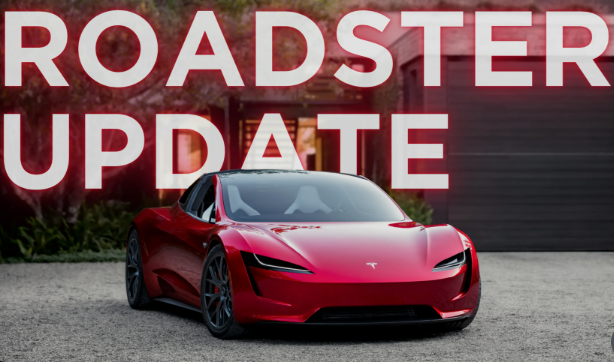
Tesla Roadster:
The Tesla Roadster is one of the most exciting names in the world of electric cars. It combines modern design, advanced technology, and impressive speed in a sports car powered by electricity instead of petrol. Tesla introduced its first Roadster in 2008, helping show the world that electric vehicles could offer both performance and an enjoyable driving experience.
The Roadster became an important part of Tesla’s history. At a time when many people believed electric cars Tesla Roadster were slow or had limited driving range, the original Roadster offered a different view of what an electric vehicle could achieve.
Tesla later announced a new generation of the Roadster, promising major improvements in performance, driving range, and design. On October 15, 2026, Tesla presented a redesigned version Tesla Roadster with ambitious performance claims and advanced technology inspired by aerospace engineering. The company has indicated that production is planned for 2028, although final specifications, availability, and delivery timing may change. <Cite refs={[“turn965876search2″,”turn965876news22”]}/>
This article explains the Tesla Roadster in simple English. It covers its history, electric motor technology, design, performance, battery system, possible benefits, environmental impact, challenges, and frequently asked questions.
What Is the Tesla Roadster?
The Tesla Roadster is an electric sports car developed by <Entity value=”Tesla” category=”company” disambig=”Electric vehicle and clean energy company”/>. Unlike traditional sports cars that use petrol engines, the Roadster uses electric power to move its wheels.
An electric vehicle stores energy Tesla Roadster in a battery. The battery supplies electricity to an electric motor, which turns that energy into movement.
The Roadster is designed to combine fast acceleration with a sporty appearance. Its low body, aerodynamic shape, and advanced electric technology make it different from many conventional sports cars.
The original Roadster was Tesla’s first production vehicle. It helped establish the company’s early Tesla Roadster reputation for building electric cars that could offer exciting performance.
ALSO READ;https://clockwebz.com/sports-technology-labs/
The newer Roadster is intended to take this idea further. Tesla has presented it as a high-performance vehicle with advanced engineering and ambitious acceleration targets.
However, it is important to Tesla Roadster separate announced specifications from independently verified performance. The final production car may differ from demonstration vehicles, and buyers should check Tesla’s official information for confirmed details.
The History of the Tesla Roadster
The history of the Tesla Roadster shows how electric vehicle technology has developed over time.
The First Tesla Roadster
Tesla began regular production of the original Roadster in 2008. It was a two-seat electric sports car that demonstrated how battery-powered vehicles could offer strong Tesla Roadster acceleration and an engaging driving experience. <Cite refs={[“turn965876search9”]}/>
The original model used a lithium-ion battery pack and an electric motor. It could travel a meaningful distance on a full charge, although its actual range depended on driving conditions and other factors.
The first Roadster was important because it challenged common ideas about electric vehicles. Rather than focusing only on basic transportation, it showed Tesla Roadster that electric power could also support a performance-focused car.
The Next-Generation Tesla Roadster
Tesla revealed plans for a new Roadster in November 2017. The company announced ambitious Tesla Roadster performance targets and displayed a design intended to offer greater speed and range.
The vehicle was expected to enter production several years later, but the schedule changed repeatedly.
In October 2026, Tesla presented a redesigned version with a different appearance and additional technology. The latest announcement included a planned production start in 2028. Because this date is a future target, it should not be treated as a Tesla Roadster guaranteed delivery date. <Cite refs={[“turn965876search2″,”turn965876news22”]}/>
The Roadster’s long development period shows that creating an advanced sports car can involve major engineering challenges, testing, and changes in company priorities.
Exterior Design of the Tesla Roadster
The exterior design is one of the Tesla Roadster Roadster’s most noticeable features. A sports car must look attractive, but its shape can also influence performance.
A Modern Sports Car Shape
The Roadster has a low body and a streamlined appearance. Its design aims to reduce air resistance while giving the vehicle a strong sports car identity.
A streamlined shape allows air Tesla Roadster to move around the vehicle more efficiently. Reducing air resistance can help a car maintain speed while using less energy than a less aerodynamic design under similar conditions.
Aerodynamic Features
Aerodynamics is the study of how air moves around objects.
At high speeds, air resistance becomes Tesla Roadster a major force acting against a moving car. Engineers use body shapes, airflow testing, and other methods to manage this resistance.
ALSO READ;https://clockwebz.com/sports-technology-labs/
Tesla has described the Roadster as a vehicle designed around performance and aerodynamic efficiency. The final effect depends on the production design and the conditions in Tesla Roadster which the car is driven. <Cite refs={[“turn965876search0”]}/>
Glass Roof
Tesla’s earlier published Roadster design included a lightweight, removable glass roof that could be Tesla Roadster stored in the vehicle. This feature was intended to offer an open-air driving experience when conditions allowed. <Cite refs={[“turn965876search3”]}/>
Features shown on earlier designs should not automatically be assumed to remain unchanged in the redesigned version.
Tesla Roadster Performance
Performance is a major reason people are interested in the Tesla Roadster. The company has promoted it as a high-speed electric sports car with very rapid acceleration.
Rapid Acceleration
Electric motors can deliver strong Tesla Roadster turning force, known as torque, from very low speeds.
This allows electric cars to accelerate quickly without changing gears in the same way as many traditional petrol-powered cars.
Tesla’s original next-generation Roadster announcement included a target of 0 to 60 miles per hour in 1.9 seconds. In October 2026, the company presented a redesigned version with even more ambitious acceleration claims, including a sub-one-second target for certain configurations. <Cite refs={[“turn965876search0″,”turn965876news22”]}/>
These figures are company claims Tesla Roadster rather than a guarantee of what every production vehicle will achieve. Actual performance depends on the final model, testing conditions, tires, battery state, and other factors.
High Top Speed
Tesla’s earlier Roadster specifications Tesla Roadster listed a target top speed above 250 miles per hour. The newer announcement has also described a top speed above 230 miles per hour. <Cite refs={[“turn965876search0″,”turn965876news22”]}/>
These figures refer to different announced versions and should not be treated as confirmed real-world results for a final production vehicle.
High-speed driving requires controlled Tesla Roadster conditions and appropriate safety measures. Public roads are not suitable places to test a vehicle’s maximum speed.
Performance and Control
Speed is only one part of sports car performance. Steering, braking, suspension, tire grip, and stability are also important.
Engineers must design these systems Tesla Roadster to work together so the car can respond predictably to the driver.
The final Roadster will need to demonstrate that its performance systems work reliably under suitable testing and meet the legal requirements of the markets where it is sold.
Electric Motor and Battery Technology Tesla Roadster
ALSO READ;https://clockwebz.com/sports-technology-labs/
The Tesla Roadster relies on electric vehicle technology to deliver power and store energy.
How the Electric Motor Works
An electric motor converts electrical energy into mechanical movement.
When the driver presses the accelerator, the vehicle’s control systems manage the flow of electricity from the Tesla Roadster battery to the motor. The motor then produces torque that helps turn the wheels.
Electric motors can respond quickly, which is one reason electric vehicles can provide smooth and rapid acceleration.
Unlike petrol engines, electric motors do not need to burn fuel inside cylinders to produce movement.
Battery Pack Tesla Roadster
The battery pack stores the energy needed to drive the vehicle.
Lithium-ion batteries are widely used Tesla Roadster in electric cars because they can store useful amounts of energy relative to their weight. Battery design remains a major engineering challenge because manufacturers must balance range, weight, cost, durability, and safety.
Tesla has not provided every final Tesla Roadster production detail for the redesigned Roadster. Therefore, exact battery capacity, charging performance, and long-term battery life should be confirmed when official specifications become available.
Energy Management
An electric vehicle uses electronic systems to control energy use. These systems help manage motor output, battery temperature, and other important functions.
Driving speed, outside Tesla Roadster temperature, road conditions, and heating or cooling use can affect how much energy a vehicle consumes.
For this reason, the actual driving range may differ from a published estimate.
1 thought on “Tesla Roadster: Features, Performance, Design, Technology, and Future Plans”